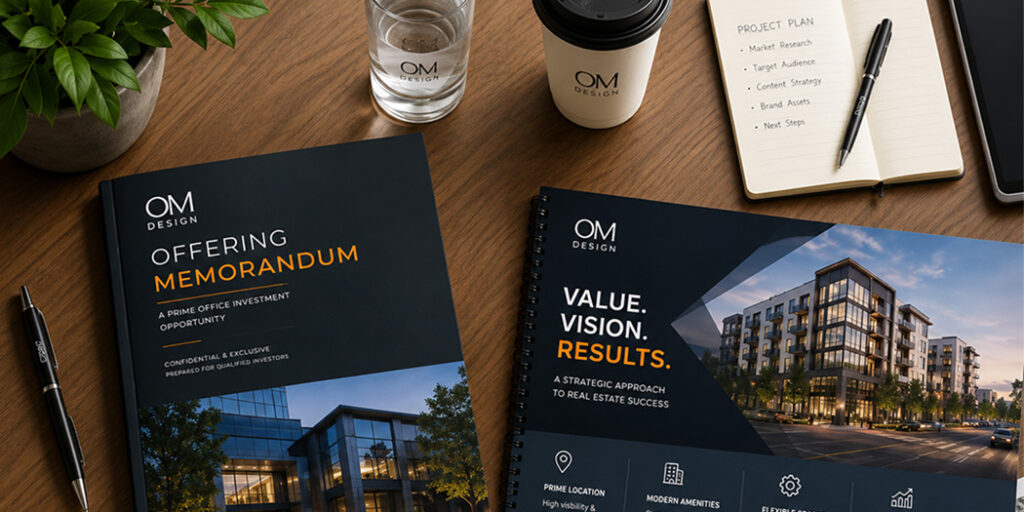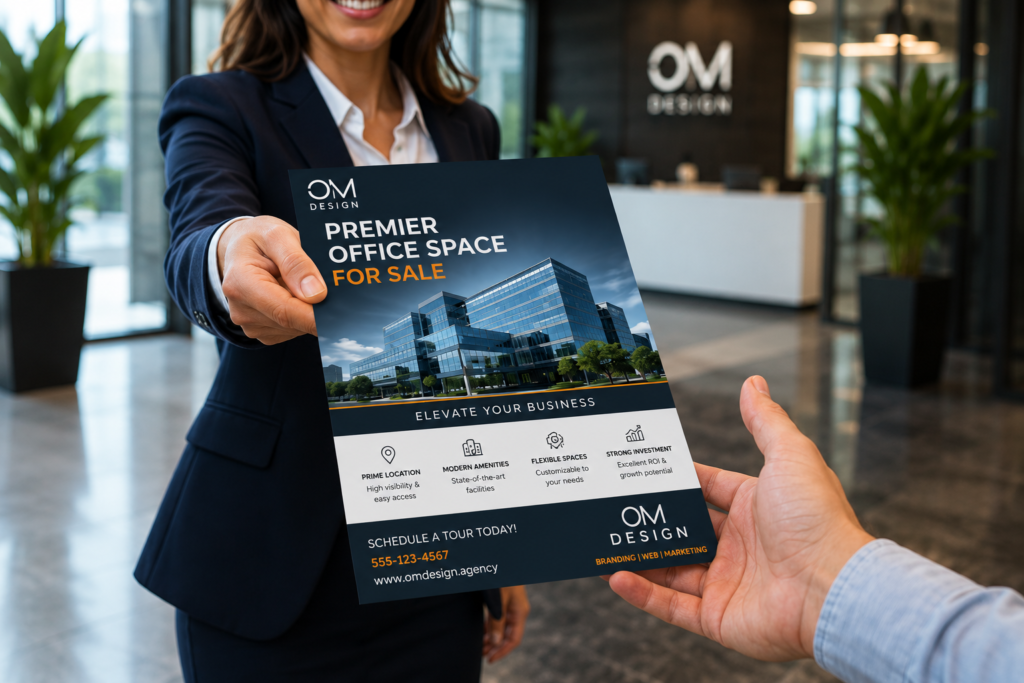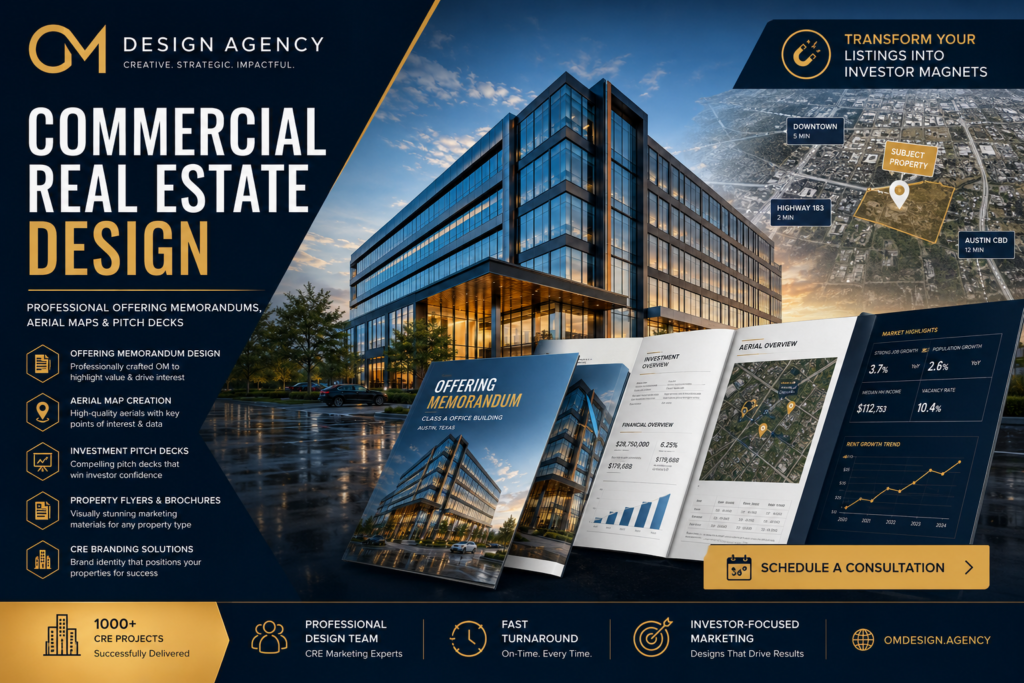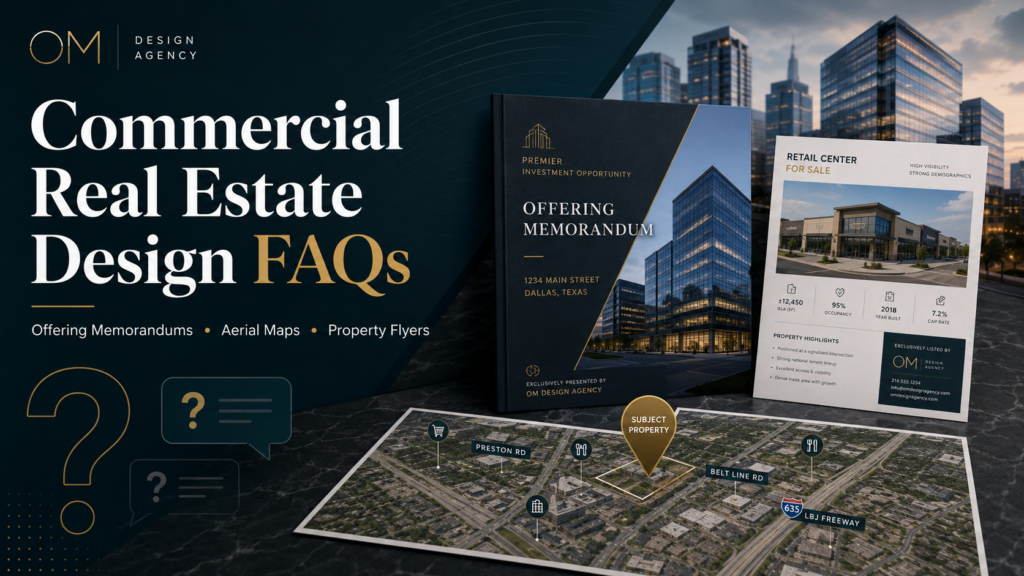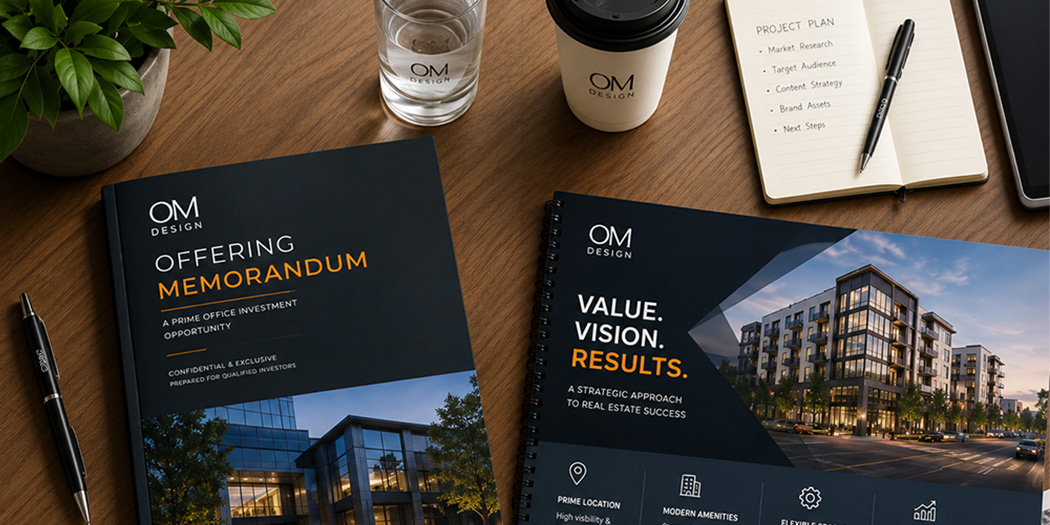
In the commercial real estate world, presentation materials make first impressions long before a call. Brokers, syndicators, and developers often compare the offering memorandum to a pitch deck when marketing to investors. Both can include an executive summary and investment story, but serve distinct purposes.
A pitch deck is about speed and attention, and it typically provides crucial insights into the sector, whereas an offering memorandum is for depth. The correct format can improve communication and hold the investor’s interest throughout the process.
Top 5 Reasons for Offering Memorandum vs Pitch Deck Use in CRE Deals
Real estate agents often ask, “Which is better, an offering memorandum or a pitch deck?” It depends on what you require. The first one lets you review in detail, and the other one creates immediate interest—no second thought. In CRE negotiations, the optimal presentation includes a clear opportunity, market research, a cash flow story, team credibility, and next steps. Formatting is important for decision-making.
1. Tailored Communication for Different Audiences
Some people don’t want that much detail. Buyers want extensive documentation. Sponsors use a simpler format for new investors. Personalizing your format allows you to define your message better and provide detailed information for varied needs.
Pitch decks are best for first impressions—focused, visual, and easy to follow. They include:
- sharp summary
- simple business plan
- clear investment ask
If you need information, we provide memorandums (OMs) with additional context, property data, and financials. Adapting your format to your audience makes your presentation more effective and more convincing.
2. Depth vs. Speed in Information Delivery
A crucial element in choosing an offering memorandum over a pitch deck is depth vs speed. Real estate entrepreneurs, in particular, can benefit from the offering memorandum’s specific information on the property, company plan, and financials for a thorough assessment.
A pitch deck, on the other hand, is meant for a quick, high-level understanding, with short slides and images that emphasize the key points. Use an OM to explain complex financials or activities. A concise presentation deck is better suited to make the case for potential in short investor meetings when attention is limited.
3. Maximizing Investor Engagement
It is hard to get noticed. A good real estate investment presentation deck should also address critical hurdles while emphasizing the market opportunity, product vision, and the urgency of the deal. It first engages, then explains. This is often more useful than a long text for early discussions.
A real estate investment pitch deck highlights:
- headline returns and cash flow drivers
- the property story or strategy
- investment ask and next steps
If there is interest, teams will follow up with an OM. A commercial real estate offering memorandum begins with a summary, then covers property data, market analysis, financial information, and supporting documentation. Together, these forms drive engagement and keep investors’ confidence as queries increase.
4. Supporting Due Diligence and Legal Disclosure
But certain acquisitions demand more than just a story; they require due diligence and legal disclosure. An offering memorandum (OM) is a document that includes organized property data, operating information, and business assumptions relevant to various real estate sectors.
Serious investors expect:
- legal info on ownership, disclosures, and offering terms
- details on sponsor track record, operations, and risks
They might be mentioned in a pitch deck, but not in depth. Mention OM for a more in-depth look, but include the important disclosures in the deck.
5. Enhancing CRE Marketing Strategy with Presentation Design
In CRE deals, buyer reactions are influenced by both format and design, especially in the real estate services industry. Good images, clean charts, and logical layouts build confidence and brand perception. Forget the generic designs and flashy pages; use clean, relevant visuals appropriate to the asset type. Good presentation design (whether an OM or deck) enhances readability and response rates.
Key Features of an Offering Memorandum
An offering memorandum is the detailed marketing document used to explain a property sale or investment opportunity, particularly in discussions of it, including critical aspects like the market selection process. Its job is to give readers a structured overview of the deal, starting with an executive summary and moving into the facts that support the opportunity.
Most OMs are organized to help serious buyers review the property with confidence, especially when comparing an. aOMs vs. pitch decks. That usually includes location details, market analysis, rent roll, investment highlights, photos, maps, cash flow support, and, where relevant, sponsor track record. Real estate agents play a key role in the next sections, which break down the core components investors expect to see, especially in the context of a real estate investment pitch deck.
Executive Summary and Deal Overview
Investors will read the executive summary first. It should include a vision statement that summarizes the property, the plan, and why the opportunity matters. This section is a first filter; if it is not apparent, investors may not read further.
A good deal overview touches on all the major points. It provides information on the asset type, location, main strengths, and anticipated returns. It may also be the reason why this property was selected and how it fits into the sponsor’s overall plan.
A short financial summary follows, providing top-level numbers to set expectations for deeper analysis. In a strong OM, this section quickly sets the stage without unnecessary detail.
Detailed Property and Market Analysis
Once the opening is clear, readers want supporting facts. This part of the OM explains the property details—such as asset type, size, location, and key features—and the surrounding market analysis, covering local demand, market trends, opportunities, and competition.
Presenting property and market information separately makes the content easier to scan. Broader industry or global insights can be added if they clarify the local story. Clear market data helps investors connect the property to its environment and evaluate the opportunity confidently.
Comprehensive Financial Data and Projections
Financials are an important part of an OM, providing historical and expected performance in a clear financial model. The structure must be clear so that investors may quickly find the projections, cash flow statement, balance sheet, and loss statement.
Things that help make it easier to understand: clear labels, consistent formatting. Unlike pitch decks, an OM includes specific figures and assumptions that allow investors to assess risk and reward fully. Such detail is especially helpful in transactions requiring extensive underwriting, offering readers a broader perspective and helping them to make informed judgments.
Essentials of a CRE Pitch Deck
CRE real estate pitch decks are meant to be attention-grabbing. It’s shorter, more graphic, and better for meetings, outreach, and first-stage talks. The aim is to assist individuals in quickly understanding the potential, not to replace a full diligence package.
The essential elements usually include information on the investment opportunity, market opportunity, business strategy, financial highlights, team introduction, and investment ask. A smart pitch deck structure also shows a track record of success when available. The next sections examine the elements that make a deck easier for investors to remember.
Visual Investment Highlights
Images tell your message faster than writing. Investment highlights in a pitch deck should tell investors what’s most important in seconds. Great property images, location maps, key metrics, and clear charts showing the market opportunity with your property portfolio.
This section should quickly display:
- key asset strengths and location appeal
- The return story at a glance
- concise industry analysis
This keeps meetings focused for agents, brokers & sponsors. The audience may react and ask excellent questions instead of dense slides. A pitch deck is not a full OM – it is designed to capture attention and showcase the best aspects.
Problem, Solution, and Market Opportunity
A good pitch deck does more than identify a property; it frames the property as a solution to a problem, such as underutilized space or unmet demand, and then describes the investment approach. Investors need to understand the significance of this offer and how it differs from other options. More strategic message: make the market opportunity relevant to a real pain.
You want to provide enough context to highlight crucial subjects like industry restrictions and timing briefly, and to include a competitive analysis, but don’t go overboard. Investors want to see the project’s market fit, not every data detail.
Business Strategy and Team Introduction
Investors want to see good execution. So make sure to emphasize your business plan and staff in the pitch deck. Give a high-level overview of your plan, how you will operate, relevant experience of key members, and a brief track record to back up credibility.
If it helps, add a light SWOT analysis to indicate opportunity and preparedness for obstacles. Well targeted. Show you can do it, not the whole life story.” When they trust the team, investors are more willing to explore a deal.
Commercial Real Estate Presentation Design Best Practices
Presentation design can make a good deal easier to understand or much harder to trust. In CRE, readers often review multiple files in a short period, so clarity matters. That applies whether you are building slides or a Word doc presentation to conduct industry analysis.
The best design choices support a strong narrative and an intuitive slide sequence. A good PPT template should guide the eye, not distract it. In the next sections, you will see how visual templates, financial layouts, and adjustments for your target audience make commercial real estate presentation design more effective.
Choosing Effective Visual Templates
The greatest CRE visual themes make content easy to digest. They include clean layouts, clear hierarchy, strong graphics, and lots of white space. Good templates can be flexible enough to work in the office, industrial, and multifamily industries. Map/location layouts. Photo pages.
Exportable charts/tables. Useful tools to launch a new product. Different audiences require different emphasis, so customizable templates are a must. The best templates are adaptable, consistent, and designed for decision-making. In commercial real estate, clear graphics outweigh beautiful ones.
Presenting Financial Data Clearly
Make financial presentations clear and address crucial questions. Om vs pitch deck: Simplify layouts and highlight summaries, assumptions, and returns. In a real estate investment pitch deck, employ images to tell your message. Better context: Include more extensive schedules, notes, and the worldwide market forecast in the offering memorandum.
Make charts informative and financials readable. No tiny fonts or crowded tables. This ensures that both the offering memorandum and the real estate investment pitch deck presentations are trustworthy and informative. Investors can readily compare and understand the material offered in each format.
Adapting Presentations for Debt and Equity Investors
Different investors require different information: debt investors want downside protection and stability, equity investors want upside and growth. Keep in mind the current real estate market and the “OM vs pitch deck” methods while building your commercial real estate presentation. Customize your presentation – risk controls for debt investors, market opportunity for equity investors. Don’t just use the same deck for everyone — change the focus depending on who you are talking to. Whether it’s an “offering memorandum vs pitch deck” situation or not, maintaining your core story and tailoring the focus will make your message current and powerful.
Frequent Mistakes in CRE Pitch Decks and Offering Memorandums
Even great deals can lose momentum in a bad presentation. In the service sector, real estate professionals commonly make blunders such as employing the improper format, overloading pages, and sending documents that look unfinished.The problems took a big toll on confidence.
A pitch deck structure should be concise and visual. The real estate industry requires an offering memorandum that is detailed and well-organized. Both need professional branding and clear messaging. The two sections below cover mistakes that regularly reduce response rates and make good opportunities harder to sell.
Overloading Slides with Text
Another mistake is cluttering your investor presentation deck with text on the slides. Keep the content in a pitch deck brief enough to get investors interested. If it feels like a long report, it should be in the offering memorandum, not the pitch deck. Keep in mind: pitch decks describe the potential, plan, and next steps, while offering memorandums provide more detail.
Point viewers to OM for further information. Good, focused editing ensures that each document serves its unique function and keeps your message persuasive and effective.
Neglecting Professional Branding and Consistency
A common mistake in the “offering memorandum vs pitch deck” discussion is to overlook professional branding and consistency. A frenzy of font, color, or style changes makes documents look rushed, and that makes investors wonder how much capital the offer needs and how credible it is. Both the OM and the pitch deck should be polished presentations with uniform branding, layout, tone, and data structure.
A clean, intentional design also gives investors confidence that the team is structured and trustworthy. Real Estate: The materials should demonstrate control, not confusion, and help establish trust in the offering memorandum vs. the pitch deck.
Conclusion
In conclusion, the use of an Offering Memorandum vs a Pitch Deck is critical to the success of your commercial real estate deal. Each document serves distinct functions appropriate to different phases of the investing process. Offering Memorandums provide the detailed information investors need to conduct due diligence.
Pitch Decks are the fast and fun overview that generates interest, especially when in PNG format. By using both effectively, you can communicate more effectively with potential investors and improve your marketing approach. If you want to take your presentation materials to the next level and guarantee that they connect with your audience, contact OM Design Agency immediately for expert CRE presentation and marketing design support.
Frequently Asked Questions
1. What legal information must be disclosed in a commercial real estate investor deck?
A commercial real estate investor deck should include basic legal information, such as ownership context, offering terms, and critical disclosures associated with the specific real estate projects and business strategies. For thorough due diligence, investors typically require a more detailed offering memorandum that elaborates on these points.
2. How can I use templates for my commercial real estate listing presentation?
Use templates to speed up presentation design while keeping your real estate listing clear and consistent. A good PPT template should support strong photos, maps, and key metrics related to the property selection process. The best visual templates are easy to customize, so the presentation feels specific to the property instead of generic.
3. What are the best practices for structuring an offering memorandum for a CRE deal?
A good offering letter will have an executive summary, property description, market analysis, rent and location information, and full financials. It will also have a clear revenue model. Have a logical framework with clear cash-flow support and financial projections so investors can evaluate the deal without difficulty.